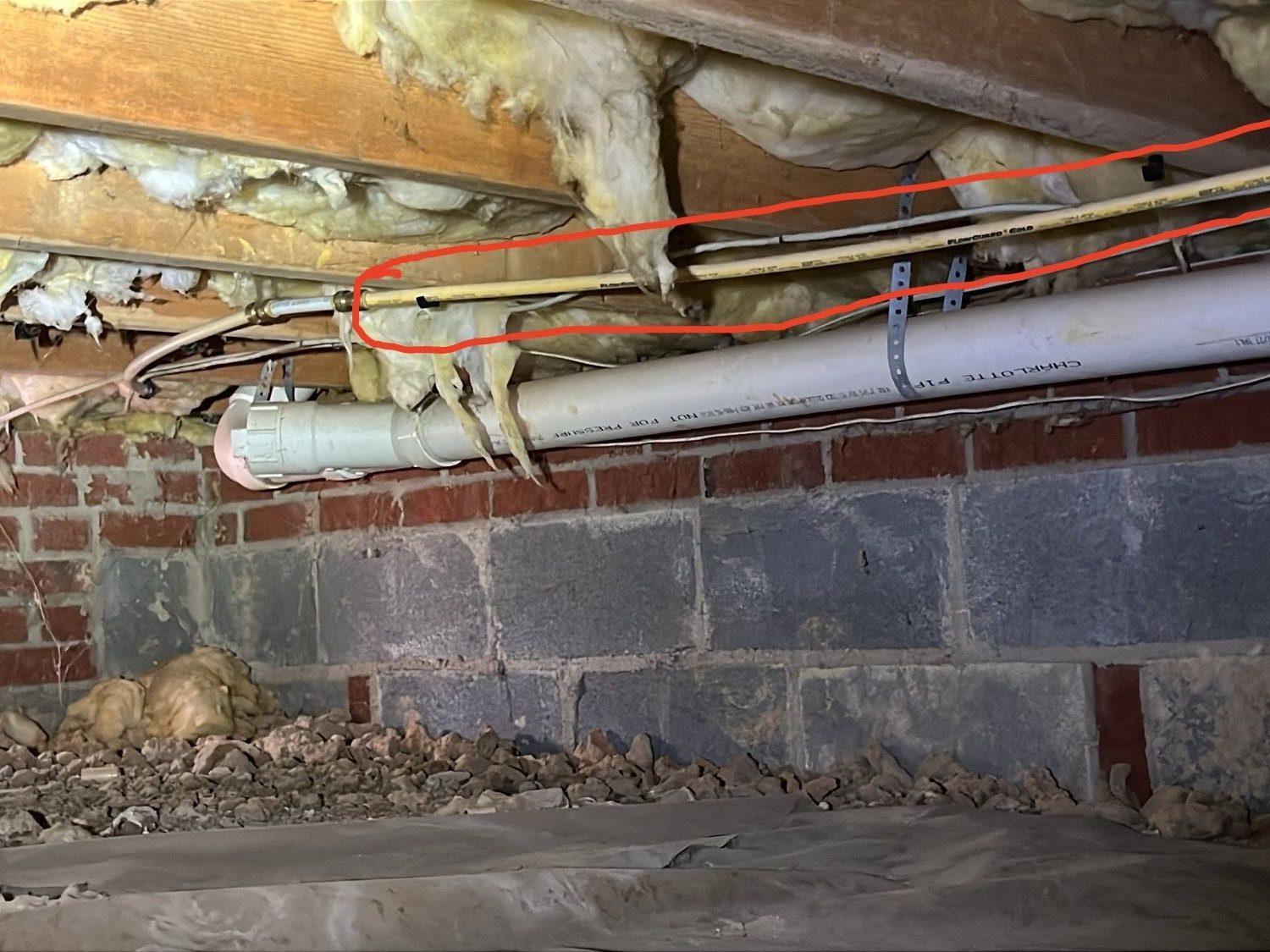
 Before
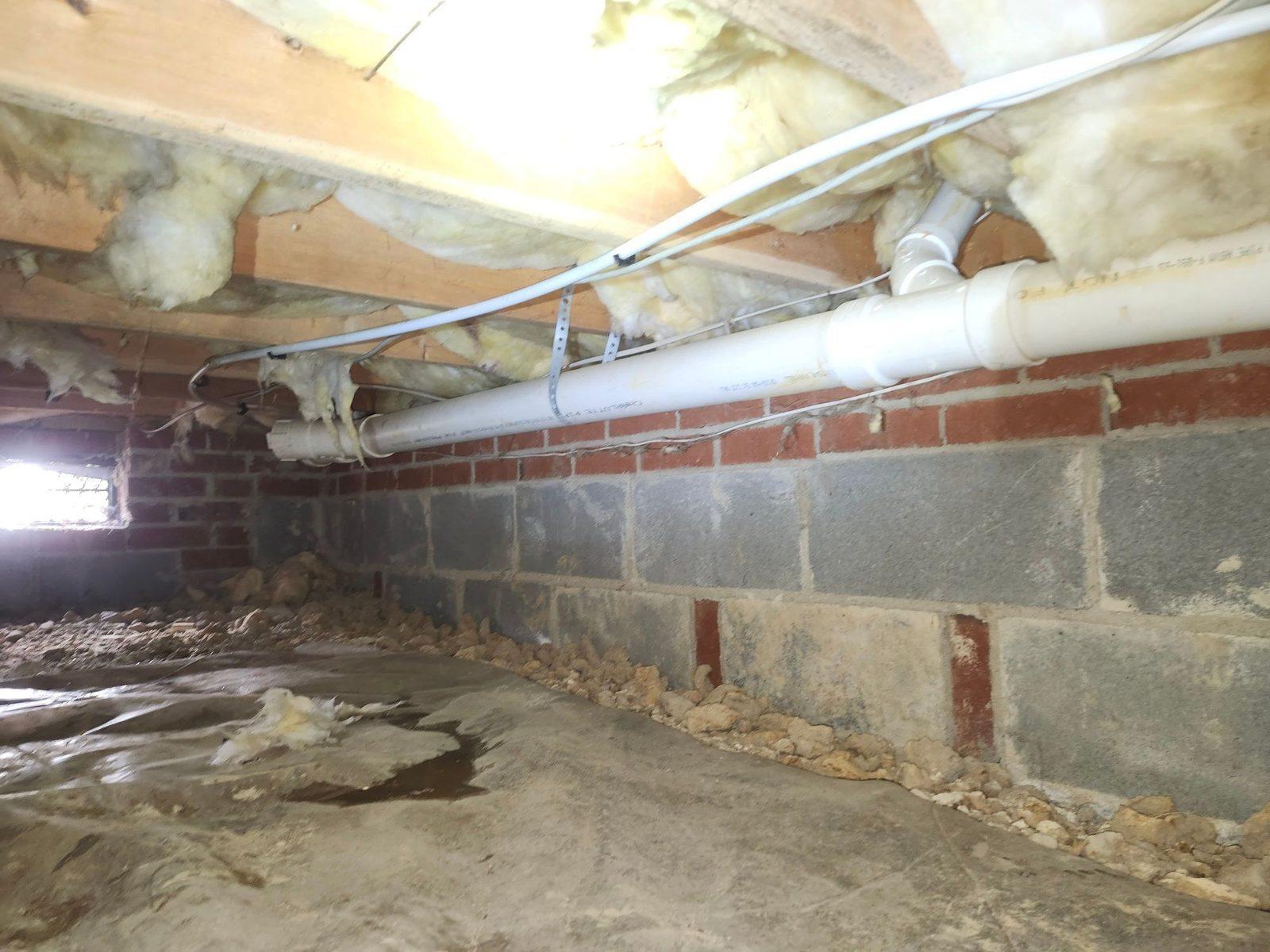 After
Apex, NC
Old CPVC water line replaced with PEX in the crawl space
HomeCloud replaced the old CPVC water line running along the crawl space wall with new PEX piping.

Replacing a home's water supply pipes, most often polybutylene or galvanized steel.
Real HomeCloud jobs, before and after. Click through to see more.
BeforeAfterApex, NC
HomeCloud replaced the old CPVC water line running along the crawl space wall with new PEX piping.
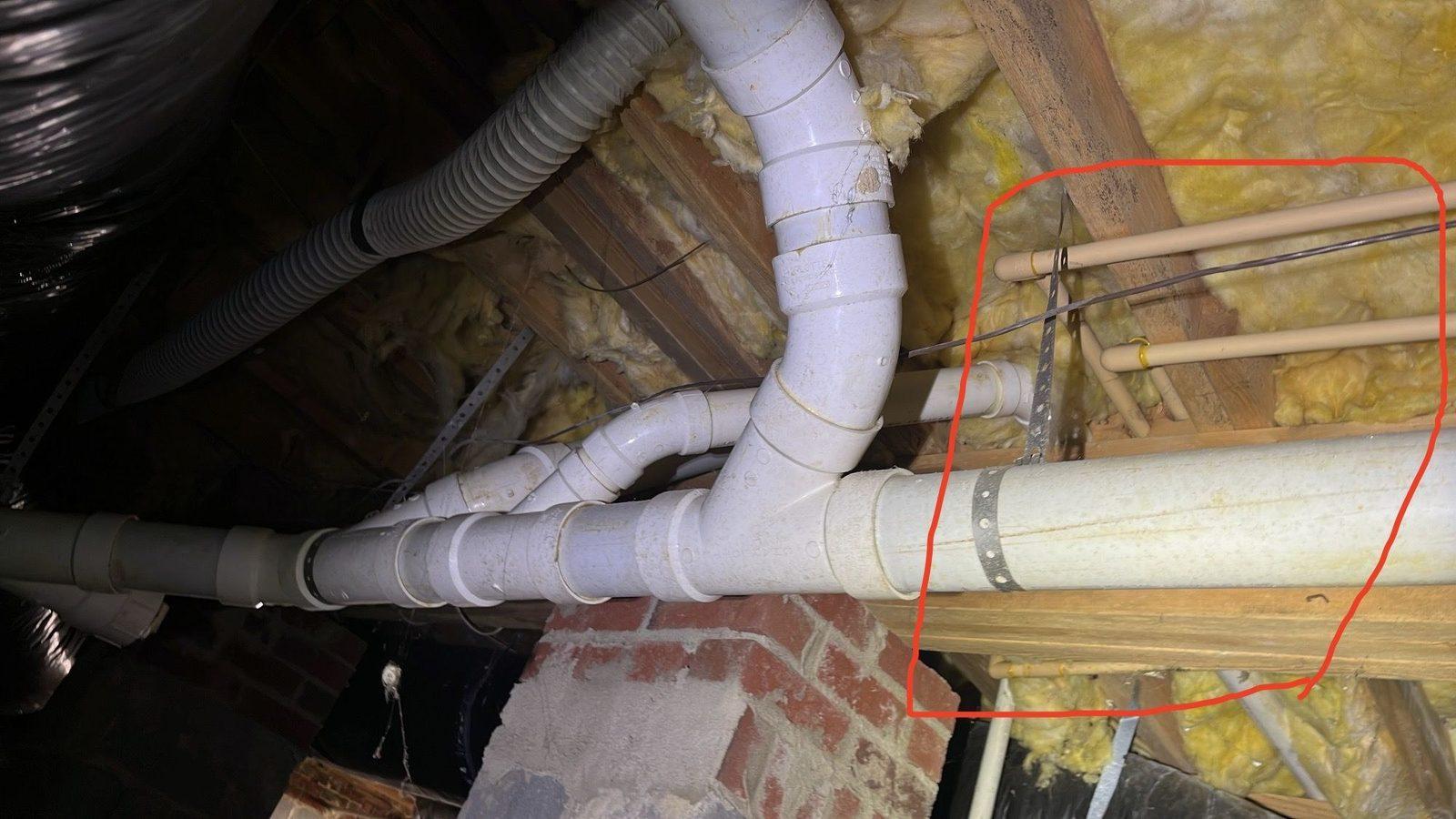 Before
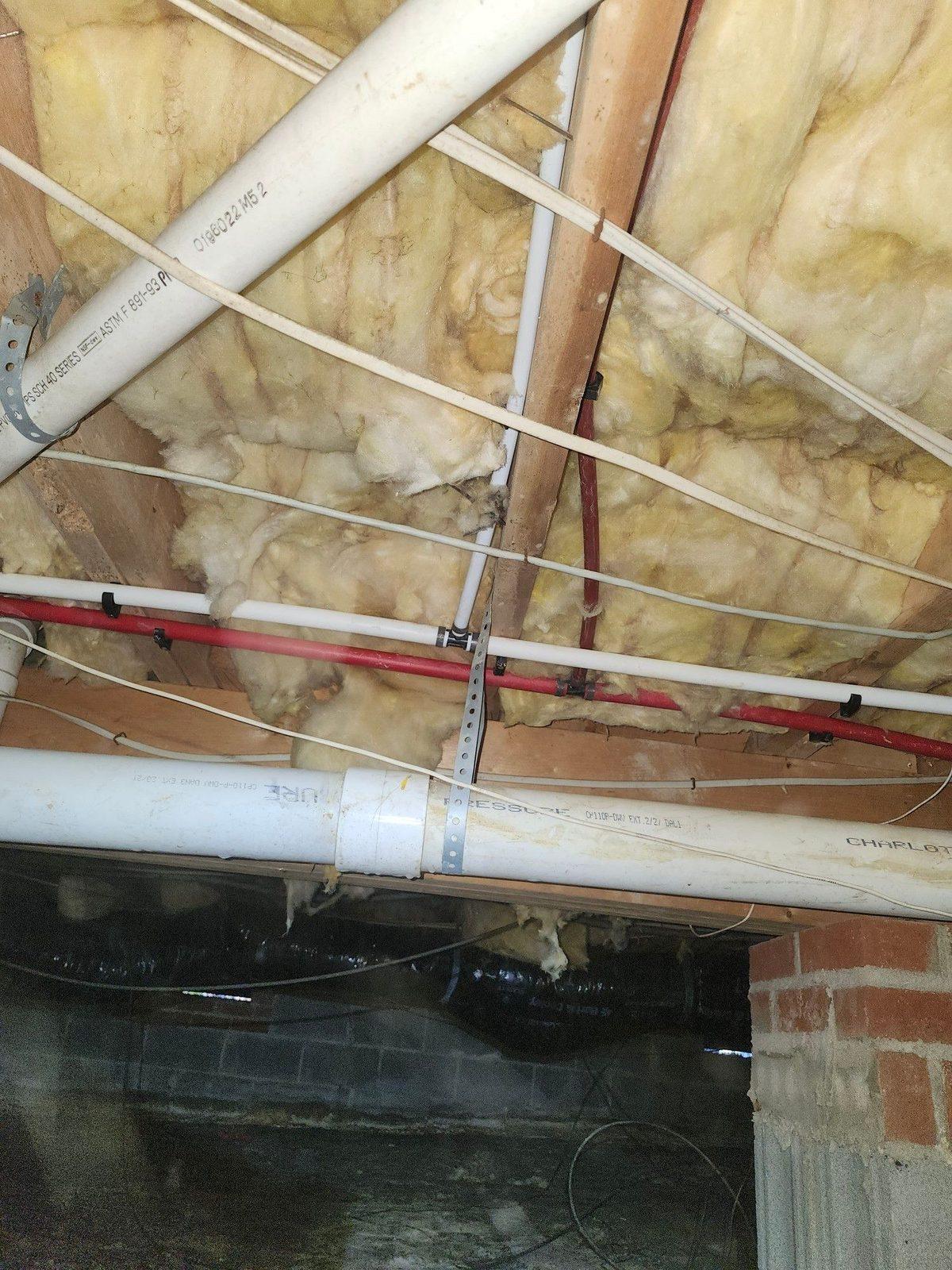 After
Apex, NC
HomeCloud replaced the tan CPVC water supply lines under the floor with new red and white PEX piping.
HomeCloud's price for a whole-house repipe
$5,800 to $8,300
Plus $2,000 to $3,000 to patch the walls and ceilings opened to reach the pipes.
Repiping means replacing the water supply pipes that carry water to the faucets, toilets and appliances. It usually comes up when a home has polybutylene or galvanized steel pipe, two materials known to fail, or when leaks keep coming back.
A whole-house repipe on a HomeCloud job usually costs $5,800 to $8,300. Getting to the pipes usually means opening some walls and ceilings, which then have to be patched: plan on another $2,000 to $3,000 for that.
| Work | Most homes | Middle price | Based on |
|---|---|---|---|
| Whole-house repipe (replacing the pipes) | $5,800 to $8,300 | ||
| Drywall patching after a repipe | $2,000 to $3,000 |
Typical prices on HomeCloud repipe jobs. Patching the walls and ceilings is priced separately from replacing the pipes.
The pipe is a material known to fail, like polybutylene or galvanized steel. Leaks keep showing up in different places. Water pressure has dropped across the house, or the water comes out rusty.
Polybutylene, a gray plastic pipe, can crack and leak without warning, anywhere along the pipe. Galvanized steel corrodes from the inside over time, which narrows the pipe, lowers water pressure and leads to leaks. HomeCloud's evaluation notes the supply pipe material, leaks, corrosion and water pressure problems it finds, so the report shows whether a repipe belongs on your list.
Not every older material needs to come out right away. CPVC, for example, is flagged so you can keep an eye on it.
Map the system
We trace the supply lines from the main to each fixture so the scope covers every line.
Run new lines
New supply lines, usually PEX, are run to each fixture with new shutoff valves.
Test
The new system is pressure tested before walls are closed.
Patch and finish
Openings in drywall are patched and finished so the house is ready to paint. Drywall repair is priced as its own project so you can see the cost. See drywall and ceiling repair.
A plastic water pipe installed in many homes from 1978 to the mid-1990s. It's usually gray, and often has "PB2110" printed on it. Disinfectants in public water can weaken it from the inside, and it can leak without warning. See what kind of pipes do I have?
Not right away. CPVC is approved in many areas, but it can get brittle and crack over time, especially near heat. Our reports flag it so you can keep an eye on it.
A whole-house repipe usually takes 3 to 5 days. You can usually stay in the house. Water is shut off for parts of the work, and we plan those times with you. It helps to know where your main shutoff is: see how to find and use your water shutoff.
See your financing options.
Tell us what's going on with your plumbing and we'll send you a priced estimate.
Get an Estimate